More Info
Events
There will be several events at CMSC! Here is a first list (more to come):
- Presentations of accepted papers.
- Poster session for accepted posters.
- Social events (TBC): tour of “Palazzo Bo”, which is the historical main building of the University of Padova; tour of the historical city center of Padova; social dinner.
- Keynotes from invited international speakers.
- Teachers’ Day (October 15th, 2026). The last day of the conference will be dedicated to a mutual exchange of ideas between researchers and teachers. The program is under development, but we plan:
- A presentation of the local Montessori primary school on teaching math and computational thinking with the Montessori approach.
- For a select number of accepted papers, authors will be given the opportunity to present their work to teachers.
- Special event: Generative AI and co-creativity in music by Prof. Sergio Canazza (University of Padua, “Centro di Sonologia Computazionale”). We will discuss to what extent modern generative artificial intelligence is “creative” in the music field. To this end, we will bring together a small group of three experts from the hard sciences (computer science/engineering) and the humanities (philosophy and musicology). Can machines compose? How does musical writing change when a composer works side by side with an AI? At the Centro di Sonologia Computazione (CSC: http://csc.dei.unipd.it) of the Department of Information Engineering (Padua University), a study was conducted with the aim of examining the interaction between the composer and generative AI. The experiment consisted of three steps: the composition of the dataset, the artificial generation of the pieces, and finally, their reworking by the composer Ardavan Vossoughi. The instrument chosen as the recipient and performer of the music was the Disklavier, an acoustic piano equipped with actuators that allow remote control of keys and pedals. During the event, we can discuss with the composer from different points of view and listen to the music co-created together with an AI.
Examples of activities presented in the past
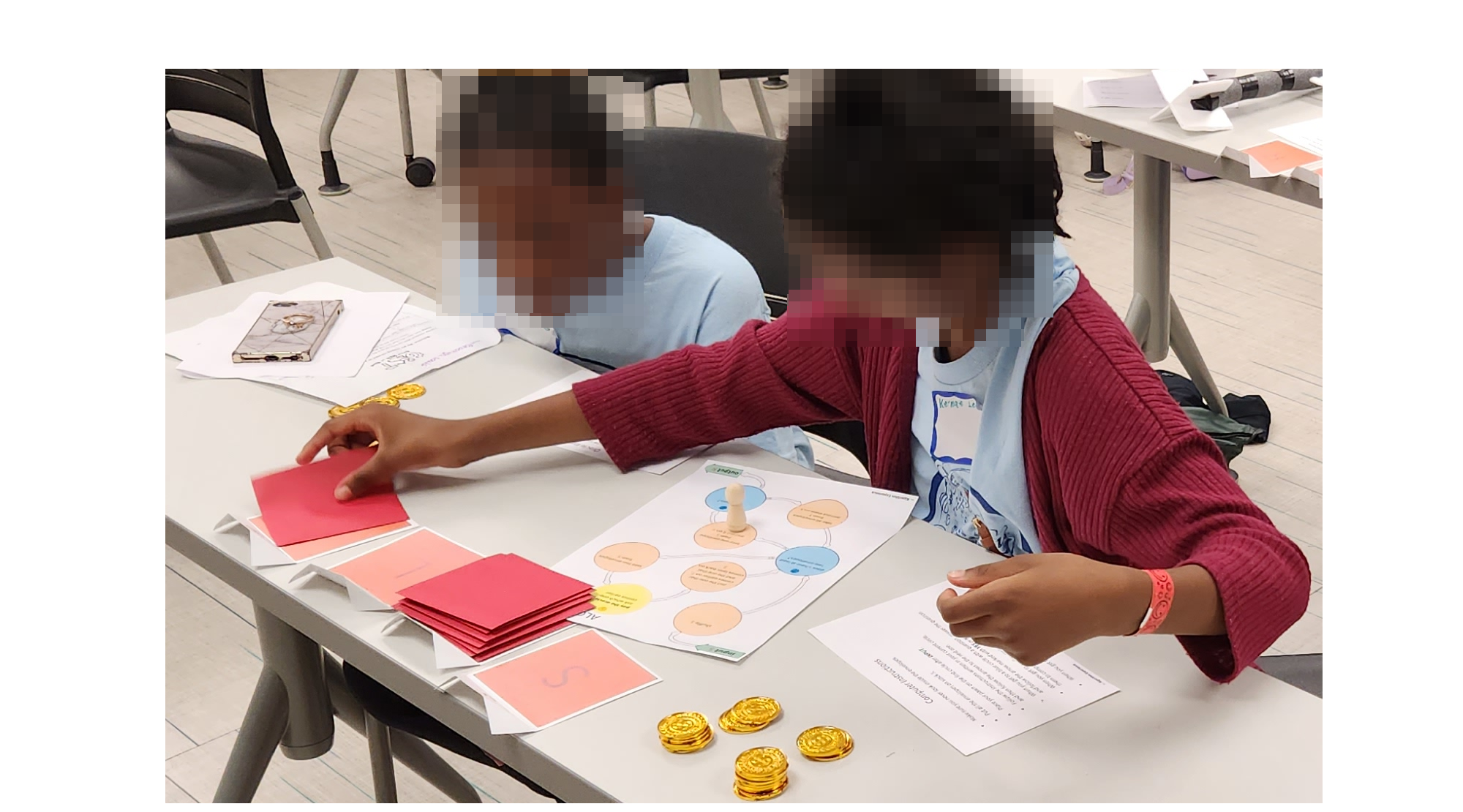
Topics: sorting, algorithm complexity
Target: children (8-12 years old)
Author: Maarten Löffler
Description: execute two different sorting algorithms, by hand
Duration: 30 minutes
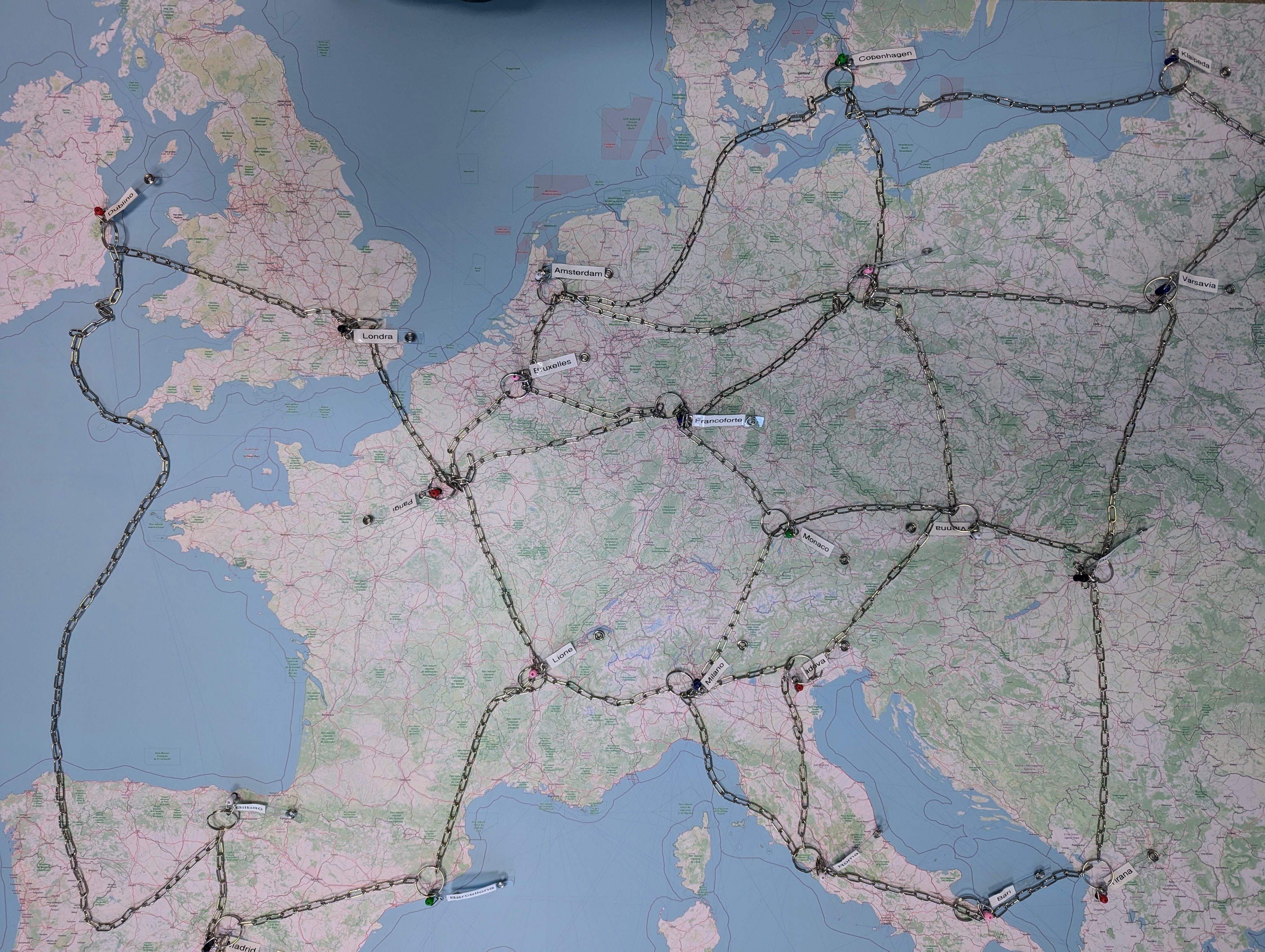
Topics: graph theory, algorithms
Target: children (8-12 years old)
Authors: Riko Jacob and Francesco Silvestri
Description: mechanical device to introduce the concepts of graphs and shortest paths and explain Dijkstra’s Algorithm
Duration: 30 minutes